PARABLE 25 OF 25
The Sheep and the Goats
What will Christ reveal at the final judgment?
Matthew 25:31–46
NKJV Scripture references

01 · BIBLICAL CONTEXT
Read the Passage
Read Matthew 25:31–46 in the NKJV and consider who is listening to Jesus. The summaries below are explanations, not direct quotations of Scripture.
02 · THE BIBLICAL STORY
What Happens in the Parable?
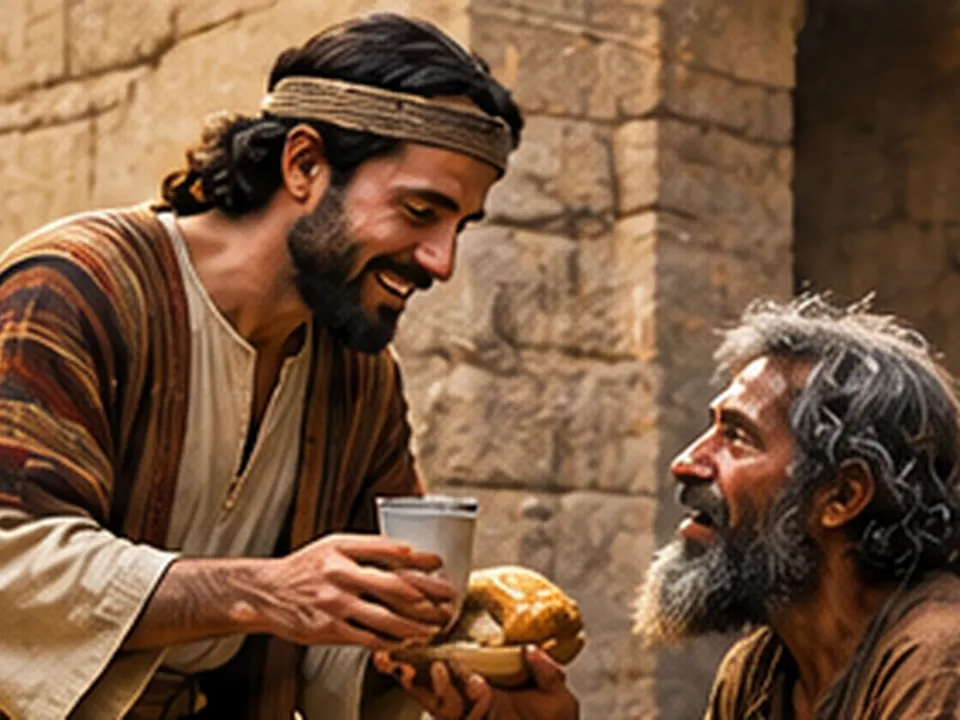
The Son of Man comes in glory and separates people as a shepherd separates sheep from goats. He points to their treatment of the hungry, stranger, sick, and imprisoned.
03 · CHRIST’S EXPLANATION
What Does the Parable Mean?
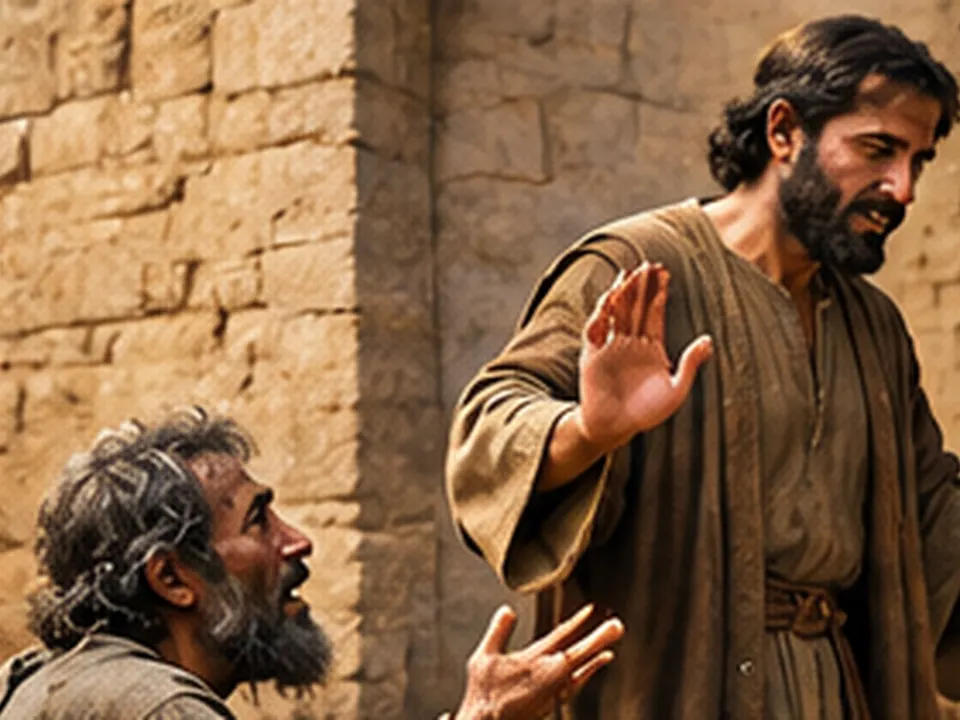
Jesus presents final judgment in which deeds disclose whether a person’s professed allegiance has borne real fruit. The story does not teach salvation earned by charitable works.
Primary Scripture: Matthew 25:31–46 · NKJV
04 · REFORMED BIBLICAL UNDERSTANDING
How Does It Point Us to Christ?
God saves through Christ by grace and makes His people fruitful in love (Ephesians 2:8–10). The Son of Man is both Savior and Judge, and His verdict is righteous.

Christ Is the Center.
We are saved by grace and called to respond with repentant faith.
EPHESIANS 2:8–1005 · PERSONAL EXAMINATION
Questions for the Heart
Choose a question for a practical reflection.
These prompts aid self-examination; salvation rests on Jesus Christ.
06 · PRACTICAL APPLICATION
How Should We Respond?
Show genuine compassion as a fruit of faith, and put your hope for acceptance in Christ alone.

DEEPER STUDY · SCRIPTURE AND DOCTRINE
Understanding This Parable in Context
Matthew 25:31–46 describes the Son of Man coming in glory and sitting on His throne before the gathered nations. He separates people as a shepherd divides sheep from goats. The distinguishing deeds concern treatment of those in need—hunger, thirst, exclusion, lack of clothing, sickness, and imprisonment—in relation to Jesus’ brothers.
A Careful Reformed Interpretation
The exact identification of ‘the least of these My brethren’ is debated. Many interpreters understand it especially as Christ’s vulnerable disciples; others emphasize a broader application of mercy. The text should not be flattened into a claim that donating to charity earns salvation. Ephesians 2:8–10 makes good works the result, not the cause, of saving grace; James 2:14–17 warns that an empty profession without corresponding mercy is dead.
Faithful Christian Application
Jesus is both Savior and Judge. Believers are called to active care for suffering people, particularly members of His body, while resting their hope in His righteousness. The final judgment will expose empty professions and vindicate those whom Christ has graciously transformed.
PARABLE 25 · FINAL KEY TRUTH
The Sheep and the Goats
God saves through Christ by grace and makes His people fruitful in love (Ephesians 2:8–10). The Son of Man is both Savior and Judge, and His verdict is righteous.