PARABLE 21 OF 25
The Unjust Steward
How should we use temporary wealth in view of eternity?
Luke 16:1–13
NKJV Scripture references
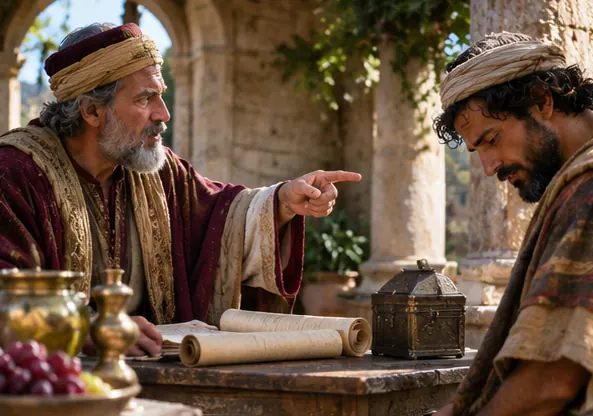
01 · BIBLICAL CONTEXT
Read the Passage
Read Luke 16:1–13 in the NKJV and consider who is listening to Jesus. The summaries below are explanations, not direct quotations of Scripture.
02 · THE BIBLICAL STORY
What Happens in the Parable?
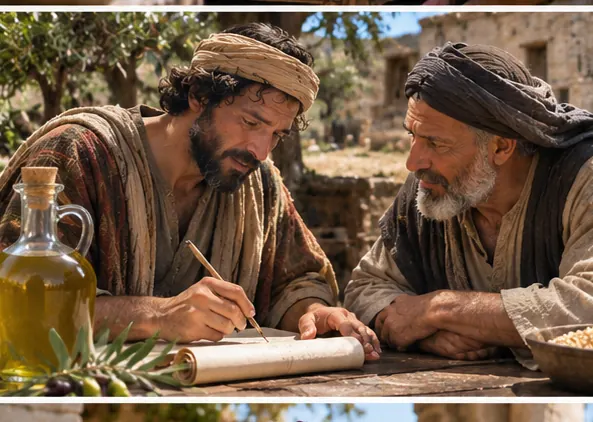
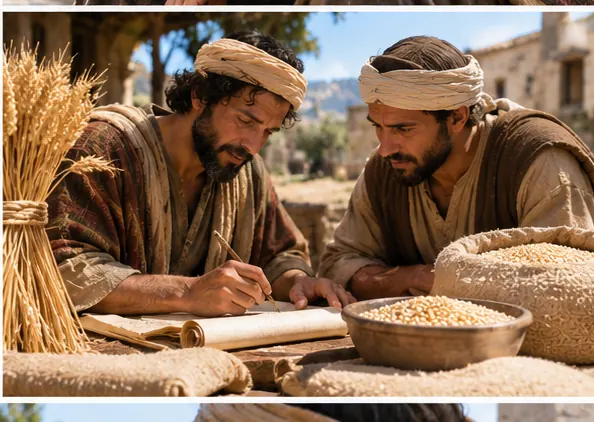
A manager accused of squandering his master’s goods acts shrewdly before losing his position by reducing accounts owed to the master.
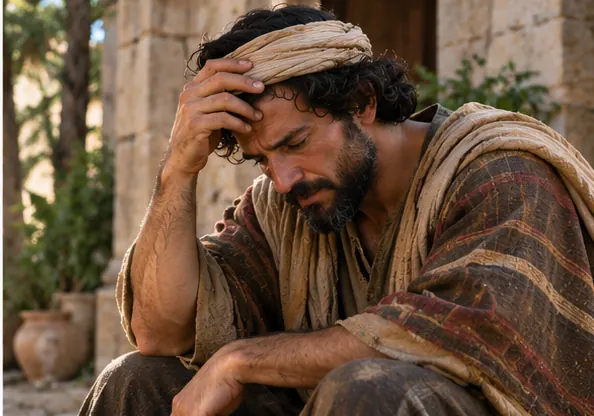
03 · CHRIST’S EXPLANATION
What Does the Parable Mean?
Jesus commends foresight, not dishonesty. He contrasts worldly resourcefulness with the need for faithful stewardship of passing earthly possessions.
Primary Scripture: Luke 16:1–13 · NKJV
04 · REFORMED BIBLICAL UNDERSTANDING
How Does It Point Us to Christ?
Money is a temporary trust, not a master. Christ calls His people to serve God rather than mammon; dishonest conduct is not excused (Luke 16:10–13).
Christ Is the Center.
We are saved by grace and called to respond with repentant faith.
EPHESIANS 2:8–1005 · PERSONAL EXAMINATION
Questions for the Heart
Choose a question for a practical reflection.
These prompts aid self-examination; salvation rests on Jesus Christ.
06 · PRACTICAL APPLICATION
How Should We Respond?
Use resources faithfully and generously in ways that honor God and benefit others.

DEEPER STUDY · SCRIPTURE AND DOCTRINE
Understanding This Parable in Context
Luke 16:1–13 is difficult because the manager acts dishonestly, yet Jesus praises his shrewdness. The passage does not make him a model of honesty. Jesus distinguishes the worldly man’s foresight from the faithfulness His disciples must display and goes on to teach that those trustworthy in little can be trusted with much (Luke 16:10–12).
A Careful Reformed Interpretation
We should therefore avoid using the steward’s cheating to justify fraud or manipulating another person’s property. The lesson is about seeing that present resources are temporary and using them wisely in light of what lasts. Jesus ends the section with an unmistakable verdict: no servant can serve both God and money (Luke 16:13). Reformed stewardship places our goods under the Lord’s authority and makes generosity the fruit of grace, not a means of purchasing salvation.
Faithful Christian Application
Examine contracts, finances, habits of giving, and obligations to others. A believer should show integrity in small matters, provide appropriately for dependents, and remain free from slavery to possessions. Christ is the Master; wealth is a tool entrusted for a time.
PARABLE 21 · FINAL KEY TRUTH
The Unjust Steward
Money is a temporary trust, not a master. Christ calls His people to serve God rather than mammon; dishonest conduct is not excused (Luke 16:10–13).