PARABLES OF JESUS · PARABLE 01
The Parable
of the Sower
Why do people respond differently to the same Word of God?
MATTHEW 13:1–23
Parallel passages: Mark 4:1–20 · Luke 8:4–15

01 · BIBLICAL CONTEXT
Why Did Jesus Tell This Parable?
Jesus spoke this parable while teaching a great multitude. Matthew records the setting, the parable, the disciples’ question, and Jesus’ explanation.
Jesus sits in a boat while the multitude stands on the shore.
Matthew 13:1–2A sower scatters seed on different kinds of ground.
Matthew 13:3–9Jesus explains why He speaks in parables, revealing the mysteries of the kingdom to His disciples.
Matthew 13:10–17The soils represent different responses to the Word of the kingdom.
Matthew 13:18–2302 · THE PARABLE
A Sower Went Out to Sow
Jesus describes a farmer scattering seed. Although the same farmer sows, the seed falls in four different places, with different results.
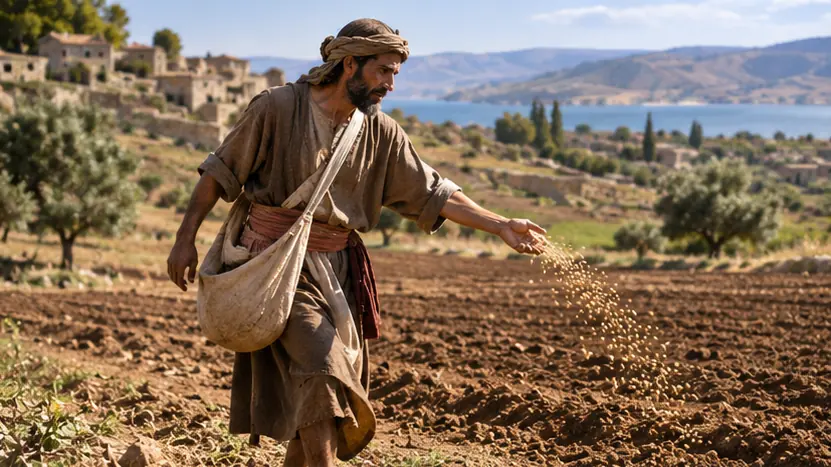
Wayside · Stony Places · Among Thorns · Good Ground
03 · JESUS EXPLAINS THE FOUR SOILS
What Does Each Soil Represent?
Jesus gives the explanation Himself in Matthew 13:18–23. We must understand the parable according to His teaching, rather than inventing our own meanings.

The Wayside
Matthew 13:19
Jesus’ Explanation This person hears the Word of the kingdom but does not understand it. The wicked one snatches away what was sown in the heart.
Stony Places
Matthew 13:20–21
Jesus’ Explanation The person receives the Word immediately with joy but has no enduring root. Trouble or persecution because of the Word exposes the shallowness of the response.
Among Thorns
Matthew 13:22
Jesus’ Explanation Worldly cares and the deceitfulness of riches choke the Word so that it becomes unfruitful.
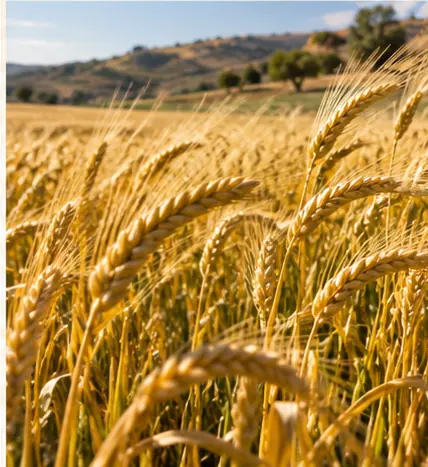
Good Ground
Matthew 13:23
Jesus’ Explanation The fruitful hearer receives and understands the Word. Jesus teaches that the amount of fruit varies, but genuine fruitfulness is present.
04 · THE CENTRAL MEANING
The Entire Parable in One Flowchart
The message is proclaimed, but not everyone responds alike.
Hardness · Shallow Reception · Worldly Cares · Fruitful Reception
05 · REFORMED BIBLICAL UNDERSTANDING
Why Does the Heart Need God’s Grace?
A Reformed interpretation begins with Jesus’ explanation and examines the subject in the light of the whole counsel of Scripture.
Total Depravity
Fallen humanity is corrupted by sin. Sinners cannot bring themselves to saving faith independently of God’s gracious work.
Effectual Calling
The Lord opened Lydia’s heart to heed Paul’s message. God graciously opens the hearts of His people to receive His Word.
Perseverance of the Saints
Christ knows and preserves His sheep. Genuine saving faith endures because the Lord keeps His people.
The Word as a Means of Grace
God uses the hearing of His Word to bring people to faith. We must faithfully proclaim the Gospel and depend on Him for the results.
We Sow the Word.
God Gives the Increase.
We are called to proclaim God’s Word faithfully. Spiritual life and fruit are God’s gracious work.
1 CORINTHIANS 3:6–706 · PERSONAL EXAMINATION
How Am I Receiving God’s Word?
Consider these questions in the light of Scripture. Select a question to read its biblical application.
These questions are aids to self-examination, not an infallible measure of salvation. Look to Jesus Christ in faith.
07 · PRACTICAL APPLICATION
How Should We Respond?
Read Scripture and attend faithfully to biblical preaching.
Do not rest in temporary enthusiasm or merely outward religious activity.
Pray, remain in God’s Word, and depend on Christ.
Parents, pastors, and teachers should proclaim Scripture faithfully and trust God for the increase.
PARABLE 01 · FINAL KEY TRUTH
True Spiritual Fruit
Comes by God’s Grace.
God’s Word is heard by many, but not every response is genuine saving faith. Those who truly receive His Word bear lasting fruit. Salvation and spiritual life are the gracious work of God.